
Best Rice for Diabetics: What to Eat and What to Avoid
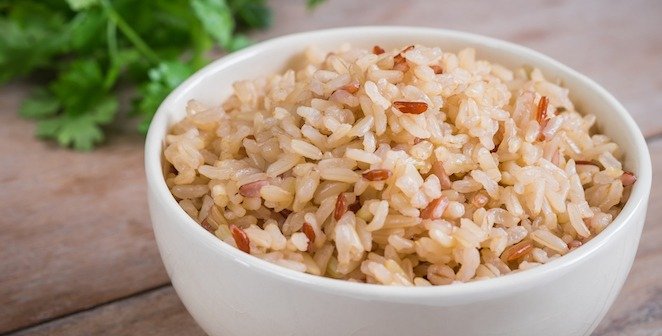
Managing blood sugar doesn’t mean you have to give up rice entirely. In fact, choosing the right rice for diabetics can be a smart part of a balanced diet — it’s all about knowing which varieties work and how to prepare them.
Can People With Diabetes Actually Eat Rice?
Yes. The myth that diabetics must completely eliminate rice is outdated. The key factor is glycemic index (GI), which measures how fast a food raises blood glucose. White rice scores around 72–89 on the GI scale, while brown rice sits at 50–55. That’s a huge difference.
But GI alone doesn’t tell the full story. Glycemic load (GL) accounts for portion size and is more practical. A half-cup serving of brown rice has a GL of roughly 11 — considered moderate and manageable for most type 2 diabetics.
Is Basmati Rice OK for Diabetics?
Basmati is one of the best options. Its GI ranges from 50 to 58, largely because it contains more resistant starch than regular white rice. Resistant starch passes through the small intestine undigested, slowing glucose absorption. A 2012 study in the Asia Pacific Journal of Clinical Nutrition confirmed that basmati produces significantly lower postprandial glucose spikes compared to jasmine rice.
Does Jasmine Rice Spike Blood Sugar?
Unfortunately, yes. Jasmine rice has a GI of about 89 — nearly as high as pure glucose. If you love jasmine rice, try mixing it 50/50 with brown or black rice to bring the overall GI down.
How Much Rice Can a Diabetic Eat Per Day?
The American Diabetes Association doesn’t ban rice but recommends keeping carb portions consistent. A good rule: stick to one-third cup of dry rice (about half a cup cooked) per meal. Thats roughly 15g of carbs — one carb serving.
How to Cook Rice for Diabetic Patients
Preparation method matters more than most people realize.
- Cool it down. A 2015 study from Sri Lanka showed that cooking rice with coconut oil and then refrigerating it for 12 hours increased resistant starch by up to 10x. Even reheated, the retrograded starch stays intact.
- Pair it wisely. Combining rice with protein, healthy fats, or fiber-rich vegetables slows glucose absorption. Lentils and grilled chicken are great companions.
- Don’t overcook. Al dente rice has a lower GI than mushy, overcooked rice.
Which Rice Is Good for Diabetes and Cholesterol?
Black rice stands out here. It’s rich in anthocyanins — the same antioxidants found in blueberries. A 2010 study in the Journal of Agricultural and Food Chemistry found black rice bran reduced LDL cholesterol in animal models. Its GI hovers around 42, making it one of the lowest-GI rice varieties available.
Red rice is another solid pick, with a GI of 55 and high fiber content.
FAQ
What about wild rice?
Wild rice is technically a grass seed, not true rice. Its GI is around 45, and it packs more protein than most rice varieties.
Is there a difference for type 1 vs. type 2 diabetes?
Type 1 diabetics need to count carbs precisely for insulin dosing. Type 2 diabetics focus more on GI and portion control. Both benefit from low-GI varieties.
Are rice alternatives better?
Cauliflower rice has almost zero carbs. Quinoa and bulgur offer lower GI with more protein. Worth rotating into your meals.
Final Thoughts
Rice isn’t the enemy — the wrong kind and wrong portion is. Stick to low-GI varieties like basmati, brown, black, or red rice. Watch your portions, pair with protein, and try the cooling trick. Small changes, big impact on blood sugar control.